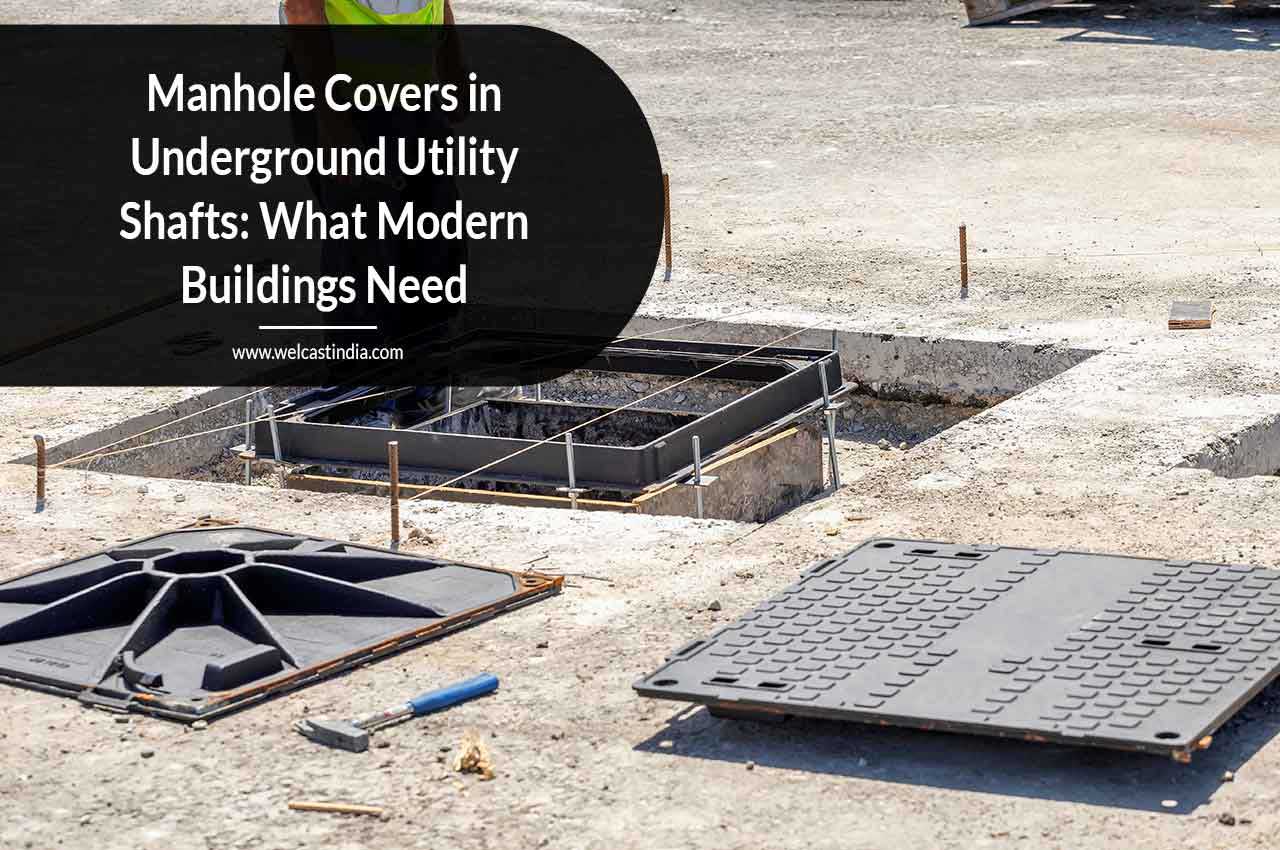
Modern buildings depend on complex underground utility shafts that carry electrical lines, drainage, telecom and HVAC systems. At these access points, manhole covers play an important role in safety, durability and long-term performance.
As infrastructure becomes more demanding, choosing the right manhole cover is no longer routine—it’s a key engineering decision.
High-traffic environments like Middle East airports face extreme conditions. There is constant movement of aircraft support vehicles, baggage systems, and emergency equipment—all of which create heavy static and dynamic loads.
In addition, these locations deal with:
If the manhole cover is not properly designed, it can shift, crack, or fail—leading to safety risks and costly repairs. The same principles apply to modern commercial buildings with heavy traffic.
Ductile iron is widely used because it combines strength with flexibility. Unlike traditional cast iron, it can absorb impact without breaking.
Key advantages:
For engineers and developers, working with a reliable manufacturer ensures consistent quality and compliance with international standards.
International standards like EN 124 classify manhole covers based on load capacity:
Heavy-duty covers are designed with:
Proper testing and certification ensure performance under real conditions. Compliance with EN 124 gives confidence to engineers and project owners.
As buildings and infrastructure become more complex, the role of manhole covers becomes more critical. The right product ensures safety, reduces maintenance, and improves long-term performance.
Working with an experienced manufacturer ensures that the product meets both technical and practical requirements.
D400 or higher is generally recommended for areas with vehicular traffic.
Because it offers high strength, durability, and resistance to impact and corrosion.
It defines load ratings and testing methods to ensure reliable performance.
It confirms that the product has been independently tested and meets international quality standards.