In infrastructure planning, every detail matters, even the components hidden below ground. One such vital element is the surface box. Though often overlooked, surface boxes play a critical role in ensuring safe access to underground utilities while maintaining structural integrity, durability, and long service life.
Choosing the right surface box begins with a clear understanding of its purpose, material options, and environmental and load conditions.
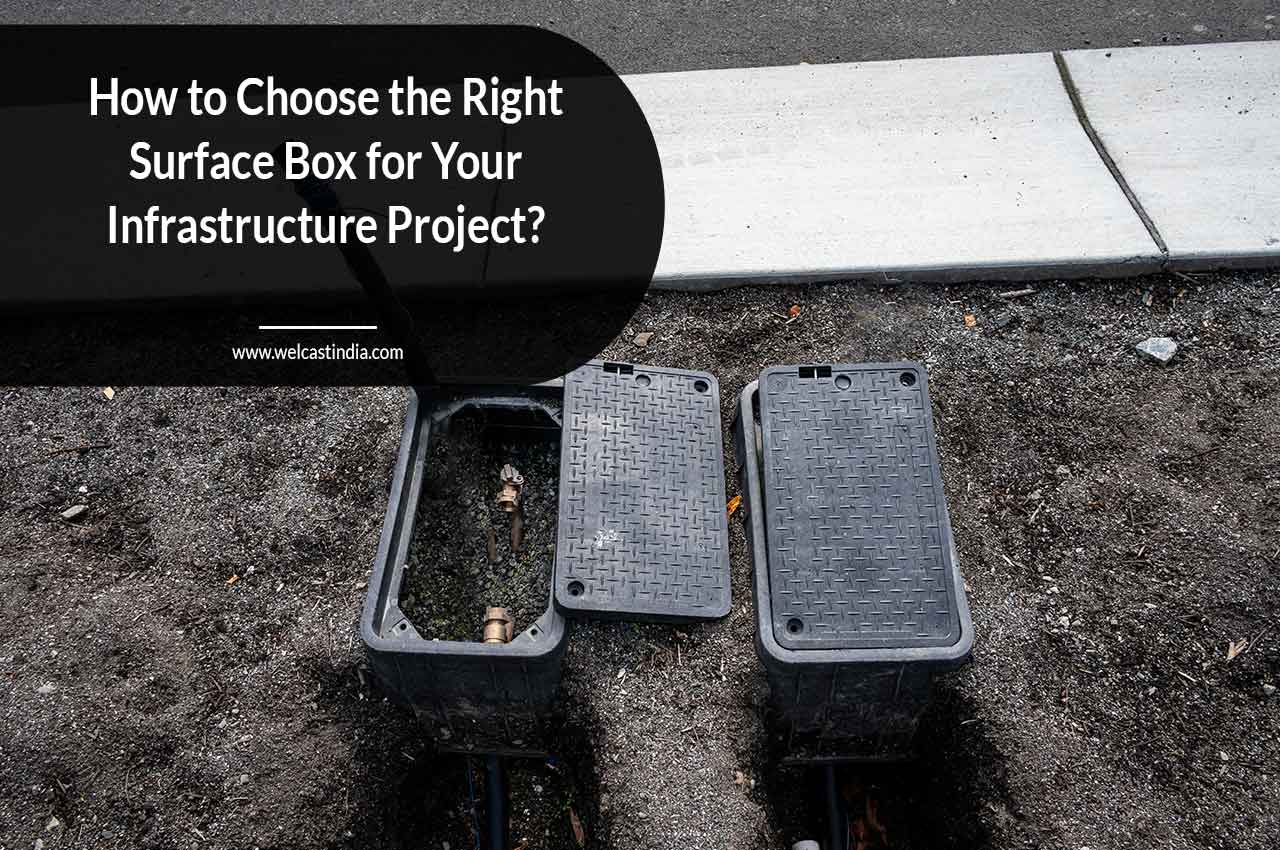
A surface box provides secure and convenient access to underground utility valves, hydrants, and service connections for inspection, operation, and maintenance. These boxes are commonly installed on roads, pavements, footpaths, and industrial areas to safeguard utilities such as water, gas, and drainage systems.
The importance of surface boxes goes beyond access. They help to:
Selecting the correct type and material ensures resistance to load pressure, environmental stress, and corrosion, ultimately extending the lifecycle of the infrastructure.
The material of a surface box directly influences its strength, durability, and performance. Today’s manufacturers offer several options to suit varying applications:
Cast iron surface boxes are widely used due to their robustness and high load-bearing capacity. They are ideal for roads and industrial zones but require proper coatings to prevent corrosion over time.
Ductile iron offers the strength of cast iron with enhanced flexibility and impact resistance. It performs exceptionally well under heavy loads and sudden stress, making it suitable for demanding infrastructure applications.
Modern infrastructure projects increasingly favour polymer concrete and composite surface boxes because they are lightweight, corrosion-resistant, and require minimal maintenance. These are especially suitable for areas exposed to moisture, chemicals, or coastal conditions.
Plastic surface boxes provide a cost-effective, rust-free solution for light-load applications such as pedestrian areas, parks, and landscaped zones. However, they are not recommended for high-traffic or heavy-load environments.
Selecting the right material means matching load requirements and environmental conditions to long-term performance expectations.
Climate and environmental exposure play a crucial role in material selection:
Factoring in local climate and operating conditions helps minimise maintenance costs and improves long-term reliability.
Selecting a reliable surface box manufacturer is just as important as choosing the right material. A trusted manufacturer should:
Working with an experienced manufacturer ensures precision-engineered products that meet both technical specifications and environmental challenges.
The right surface box significantly enhances the safety, durability, and functionality of any infrastructure project. By understanding its purpose, selecting the correct material, and accounting for climate and load conditions, you can make informed decisions that reduce lifecycle costs and improve performance.
Partnering with a trusted manufacturer like Welcast ensures reliable, quality-tested surface boxes, forming a strong foundation for successful infrastructure development.
Consider load capacity, material type, climate conditions, and the installation environment.
A reliable manufacturer like Welcast delivers durable, quality-tested products that meet industry standards and long-term project needs.